
Most cats benefit from scratching posts, interactive toys, litter boxes, beds, feeders, fountains.
As a long-time cat owner and pet product reviewer, I help you answer What are the top 10 cat accessories? with practical, evidence-based recommendations. This guide covers the best accessories, why they matter, how to choose them, and real-world tips I learned testing products with multiple cats. Read on to make smart, safe choices that keep your cat healthy, happy, and curious about life at home.

Top 10 cat accessories — clear answers and practical picks
Below I list the best items and explain why each accessory belongs in a modern cat home. If you asked, “What are the top 10 cat accessories?” this ordered list gives usable options and buying tips.
- Cat tree or climbing tower
- Purpose: Provides vertical space, exercise, and scratching surfaces.
- Benefits: Reduces boredom, protects furniture, supports natural climbing behavior.
- Buy tip: Choose sturdy bases and sisal-wrapped posts. Taller trees suit active cats; compact condos fit small spaces.
- Scratching post or pad
- Purpose: Lets cats file claws and mark territory.
- Benefits: Protects upholstery and satisfies instinctive scratching.
- Buy tip: Offer a mix of vertical and horizontal options. Replace worn posts promptly.
- High-quality litter box and scoop
- Purpose: Hygienic elimination and easy cleaning.
- Benefits: Prevents accidents and supports good litter habits.
- Buy tip: Use one more box than the number of cats. Consider covered vs. open based on cat preference.
- Automatic or timed feeder
- Purpose: Scheduled meals and portion control.
- Benefits: Helps with weight management and when you’re away.
- Buy tip: Look for reliable motors, easy-to-clean parts, and battery backup.
- Water fountain
- Purpose: Provides flowing water that entices drinking.
- Benefits: Improves hydration, which supports kidney and urinary health.
- Buy tip: Choose BPA-free materials and a filter you can replace.
- Interactive toys and puzzle feeders
- Purpose: Stimulate hunting instincts and mental activity.
- Benefits: Reduces boredom, aids weight control, strengthens cat-owner bond.
- Buy tip: Rotate toys weekly to keep interest high.
- Comfortable bed or heated pad
- Purpose: Safe, warm resting area.
- Benefits: Comfort for naps and better sleep quality.
- Buy tip: Offer multiple beds in quiet and sunny spots.
- Safe harness and leash
- Purpose: Controlled outdoor time and enrichment.
- Benefits: Low-risk outdoor exploration and exercise.
- Buy tip: Fit-test harnesses for comfort and start with indoor short walks.
- Grooming tools (brush, nail clippers)
- Purpose: Coat and nail care.
- Benefits: Reduces hairballs, skin issues, and nail overgrowth.
- Buy tip: Use brushes suited to coat length. Trim nails slowly and reward cooperation.
- Carrier for travel and vet visits
- Purpose: Secure, stress-reducing transport.
- Benefits: Safer trips and less anxiety for cat and owner.
- Buy tip: Choose a carrier with good ventilation, easy top access, and a removable liner.
Why this list matters: answering What are the top 10 cat accessories? helps you prioritize purchases that improve cat welfare, safety, and daily routine.

How to choose the right accessory for your cat
Selecting accessories is about behavior, age, space, and budget. Ask simple questions before you buy. What does your cat like? Is your home small or large? Are allergies a concern? Answering these will guide smart choices.
Key selection factors
- Cat age and health: Kittens need small, safe toys; senior cats prefer low-climb trees and heated pads.
- Behavior and activity level: Active cats need climbing and interactive toys. Calm cats may prefer beds and soft toys.
- Materials and safety: Avoid small parts, toxic glues, and easily chewed pieces. Opt for non-toxic materials.
- Size and space: Measure space for carriers, trees, and litter boxes before purchase.
- Cleanability: Choose items you can disinfect and wash easily.
PAA-style questions (short, search-focused)
How often should I replace cat toys?
Rotate toys and replace them when fabric tears or stuffing shows. For safety, inspect weekly.
Are automatic feeders safe for all cats?
They are safe if used correctly, not for cats with special medical needs that require specific feeding monitoring. Always confirm portion sizes.
How many litter boxes do I need?
Use one more litter box than the number of cats in the home. This reduces stress and accidents.
Benefits and limitations of common cat accessories
Understanding pros and cons prevents wasteful purchases. Below are typical advantages and trade-offs.
Benefits
- Improved health: Fountains and feeders support hydration and weight control.
- Behavioral enrichment: Trees, toys, and harnesses reduce boredom and destructive acts.
- Hygiene and safety: Good litter systems and carriers reduce stress and veterinary visits.
- Bonding: Interactive play builds trust and reduces anxiety.
Limitations
- Cost: Quality gear can be expensive up front.
- Space: Large trees and carriers need room.
- Maintenance: Fountains, feeders, and litter boxes require cleaning and parts replacement.
- Preference variance: Cats differ; a loved item for one may be ignored by another.
Practical balance: invest in core items first — safe litter box, scratching post, and a carrier. Add enrichment gradually and watch your cat’s response.
Personal experience, lessons learned, and expert tips
After testing dozens of products with four different cats, I learned what matters most. These are concise, real-world tips you can use today.
What worked best for me
- Rotate toys: A rotating box of three toys brought renewed interest every few days.
- Sturdy trees win: Lightweight trees toppled; heavy bases kept cats safe.
- Fountains sell hydration: A quiet fountain increased daily water intake for one cat with prior urinary issues.
Mistakes to avoid
- Buying by price alone: Cheap plastic toys often break and become hazards.
- Ignoring fit: Too-tight harnesses cause stress; measure carefully.
- Overcomplicating feeding: Complex feeders with many parts were abandoned.
Quick actionable tips
- Test a small purchase first. If your cat ignores it, return or swap.
- Place a scratching post near favorite sleeping spots. Cats often stretch and scratch on waking.
- Use treats to introduce carriers and harnesses slowly. Leave the carrier open with a soft bed inside.
These practical steps reflect experience and simple trial-and-observe methods that work across personalities.
Frequently Asked Questions of What are the top 10 cat accessories?
What are the top 10 cat accessories?
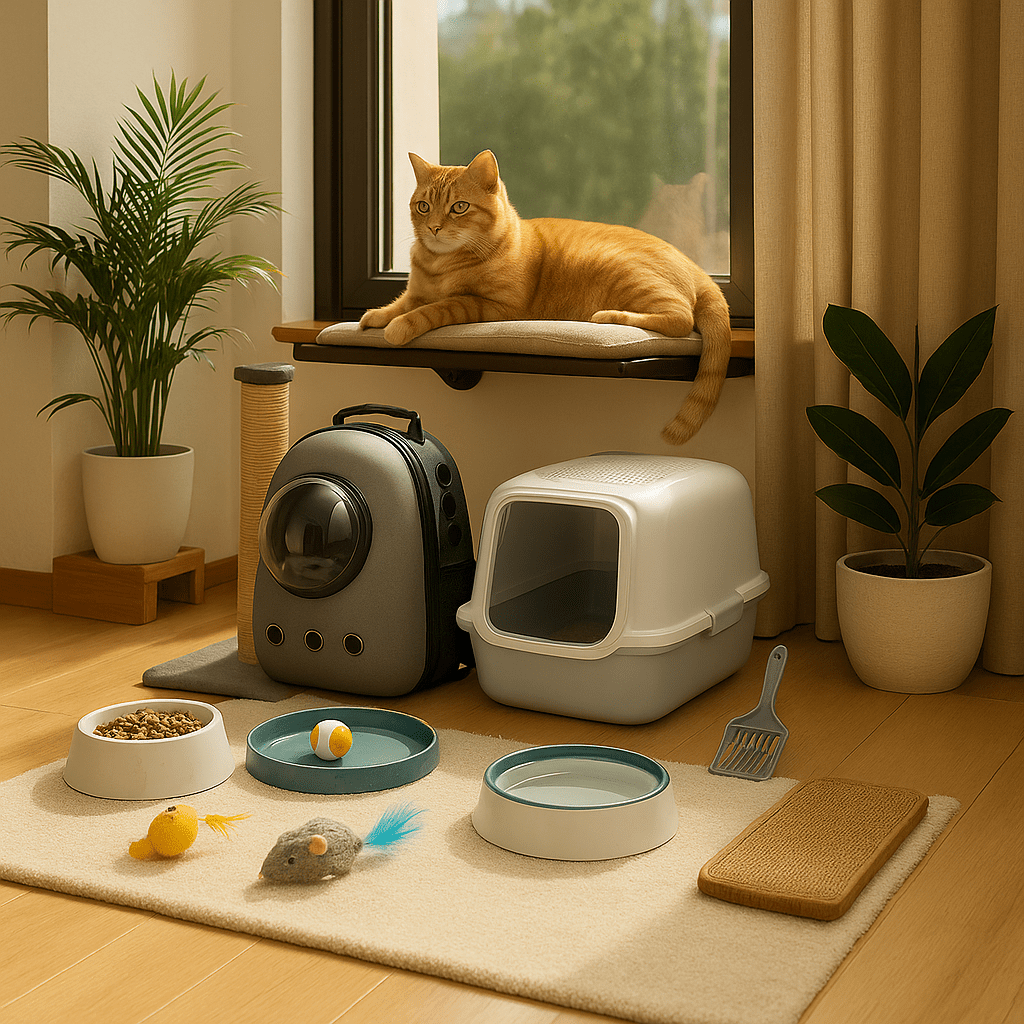
They include a cat tree, scratching post, litter box, feeder, water fountain, interactive toys, bed, harness, grooming tools, and carrier.
How do I pick the right litter box?
Choose a size your cat can enter comfortably, place them in quiet accessible spots, and clean daily. Consider one extra box per cat.
Are cat fountains worth it?
Yes. Many cats prefer running water, and fountains can boost hydration and help urinary health when maintained and cleaned.
How often should I groom my cat?
Brush short-haired cats weekly and long-haired breeds several times per week to reduce hairballs and matting.
Can cats use harnesses safely?
Yes, with proper fit and slow training. Start indoors, reward positive behavior, and never use a collar instead of a fitted harness for walks.
How many toys does a cat need?
A small curated set rotated regularly keeps cats engaged. Two to five toys plus interactive play sessions usually suffice.
What is the best carrier for stress-free travel?
Choose a sturdy carrier with good ventilation, top access, and a removable soft pad; acclimate the cat by leaving the carrier out with treats.
Do automatic feeders cause obesity?
They can if portions are too large. Use measured trays and set portions with veterinary guidance for overweight or medical cases.
How do I introduce a new accessory to a shy cat?
Introduce slowly, pair with treats, and place in a low-traffic area. Let the cat approach at its own pace.
Are heated pads safe for cats?
Many cats enjoy low-wattage heated pads. Ensure the pad is designed for pets and check for temperature controls and chew-resistant cords.
Conclusion
Choosing What are the top 10 cat accessories? is more than buying items; it is about improving your cat’s life. Start with essentials: a stable litter setup, a reliable carrier, a scratching post, and enrichment toys. Add accessories that match your cat’s needs, space, and health. Make changes gradually. Observe and adapt.
Take action today: pick one item from the top 10 list to upgrade this week. Try a fountain or a new scratching post and watch how small changes boost your cat’s comfort and energy. Share your results or questions below to keep learning and improving your cat’s home.