
Top 10 reptiles: leopard gecko, bearded dragon, corn snake, ball python, crested gecko, blue-tongue skink, Russian tortoise, kingsnake, garter snake, red-eared slider.
As an experienced reptile keeper and content specialist, I will guide you through the Top 10 reptile pets for beginners with clear, practical advice. This guide explains species traits, basic care, pros and cons, and real-world tips to help you choose a pet reptile that fits your lifestyle and budget. Read on to learn which reptiles are easiest to care for, what equipment you need, and how to avoid common beginner mistakes.
How to choose a beginner-friendly reptile
Choosing one of the Top 10 reptile pets for beginners starts with matching your time, budget, and living space to a species’ needs. Consider daily handling, feeding frequency, enclosure size, heat and UV needs, and veterinary access. Start simple: pick a species with calm temperament, easy diet, and forgiving care requirements.
Key selection criteria
- Lifespan: Choose a reptile with a manageable lifespan for your commitment.
- Housing: Measure available space; some reptiles need larger enclosures.
- Diet: Insectivores vs. carnivores vs. herbivores determine cost and prep time.
- Handling: Some species tolerate handling well; others remain shy.
- Health care: Access to reptile-savvy vets matters for long-term care.
Personal tip: Start with one well-researched species. I learned this the hard way after trying two species at once; focus on one and perfect husbandry before expanding.
:strip_icc()/GettyImages-1316254648-3c03f475ab494193a50826c47b2f3bd2.jpg)
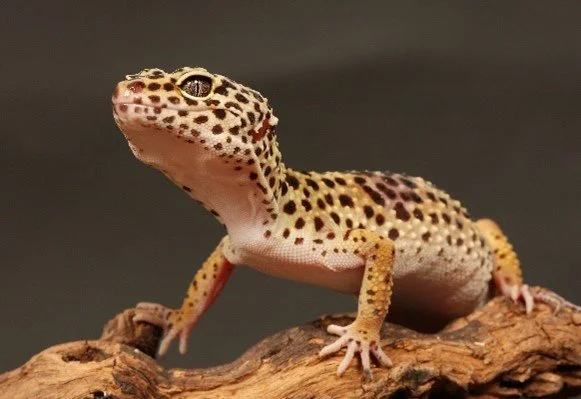
Leopard Gecko (Eublepharis macularius)
When picking from the Top 10 reptile pets for beginners, the leopard gecko often ranks highest due to simple care and calm temperament.
Quick facts
- Size: 7–10 inches
- Lifespan: 10–20+ years
- Diet: Insectivore (crickets, mealworms, dubia roaches)
Care basics
- Enclosure: 20-gallon long for one adult
- Heat: 88–92°F warm spot; cooler side 75–80°F
- Lighting: Low UVB; focus on heat gradient
- Substrate: Paper towels, reptile carpet, or tile to avoid impaction
Pros
- Docile and easy to handle
- Eats readily in captivity
- Low humidity needs
Cons
- Nocturnal (active at night)
- Shedding issues can occur if humidity too low
Personal insight: I kept leopard geckos for years; they are patient with handling and good starter pets for young adults.
Bearded Dragon (Pogona vitticeps)
Within the Top 10 reptile pets for beginners, bearded dragons are ideal for beginners who want an interactive, diurnal companion.
Quick facts
- Size: 18–24 inches
- Lifespan: 8–12 years
- Diet: Omnivore (vegetables, insects)
Care basics
- Enclosure: 40–75 gallon depending on age
- Heat: 95–110°F basking spot; ambient 75–85°F
- Lighting: Strong UVB required daily
- Substrate: Reptile carpet, tile, or non-loose substrate
Pros
- Very social and interactive
- Tolerant of handling
- Eats a varied diet
Cons
- Larger initial setup and higher upkeep cost
- Needs UVB for health and bone density
Personal insight: Bearded dragons respond to routine; I found they bond quickly when handled gently and regularly.

Corn Snake (Pantherophis guttatus)
The corn snake is a staple of the Top 10 reptile pets for beginners because of its calm nature and simple feeding schedule.
Quick facts
- Size: 3–6 feet
- Lifespan: 10–20 years
- Diet: Rodent eater (frozen/thawed mice)
Care basics
- Enclosure: 20–40 gallon for adults
- Heat: 85–90°F warm side; cooler side 75°F
- Lighting: Low UVB needs; focus on heat gradient
- Substrate: Aspen, paper towels, or reptile-safe bedding
pros
– Hardy and adaptable
- Readily accepts frozen/thawed prey
- Moderate handling tolerance
Cons
- Wiring escape artists; secure lids required
- Can be shy at first
Personal tip: Buy a well-fed, temperament-tested juvenile to reduce handling stress. I had a corn snake that calmly accepted feeding and handling after consistent, gentle work.
Ball Python (Python regius)
Ball pythons appear frequently on Top 10 reptile pets for beginners lists because of their gentle nature, but they require careful feeding habits.
Quick facts
- Size: 3–5 feet
- Lifespan: 20–30+ years
- Diet: Rodent eater (frozen/thawed rats)
Care basics
- Enclosure: 30–40 gallon for adults; secure lid required
- Heat: 88–92°F basking; ambient 78–82°F
- Lighting: Low UVB needed; humidity control is important
- Substrate: Cypress mulch or aspen; clean humidity hides
Pros
- Typically calm and slow-moving
- Compact for a python
- Great for hobbyists wanting a display snake
Cons
- Some are picky feeders; may refuse meals
- Require stable temperature and humidity
Experience note: Early in my reptile keeping, I learned that consistent feeding schedules and secure enclosures prevented stress with ball pythons.
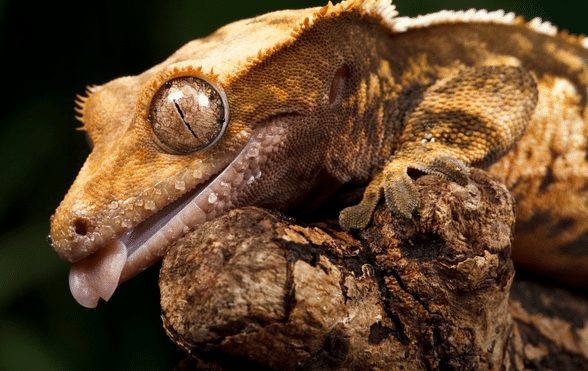
Crested Gecko (Correlophus ciliatus)
Crested geckos are among the Top 10 reptile pets for beginners because they are low-maintenance and do not require live insects as a staple.
Quick facts
- Size: 6–9 inches
- Lifespan: 10–15 years
- Diet: Commercial diets, occasional insects
Care basics
- Enclosure: Vertical 20-gallon tall for adult pairs
- Heat: 72–78°F optimal; avoid high temps
- Lighting: Ambient light; low UVB optional
- Substrate: Coconut fiber or paper-based mixes for humidity
Pros
- Easy to feed with prepared diets
- Arboreal and visually engaging
- Tolerant of moderate humidity
Cons
- Climbing requires secure tops and branches
- Not keen on heavy handling
Personal tip: Crested geckos are ideal for smaller spaces and for owners who prefer minimal feeding prep.
:strip_icc()/pet-lizards-1239181-Final-5be3579ec9e77c0051ad67f0.png)
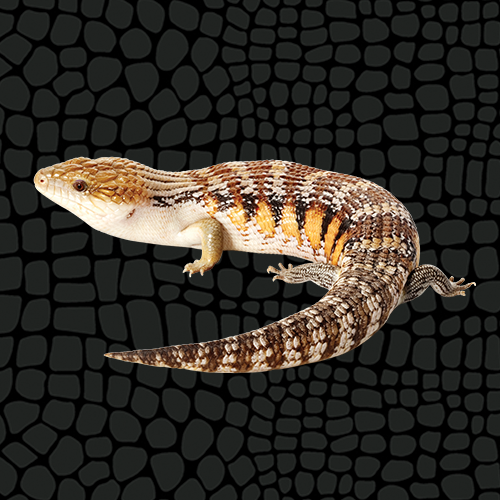
Blue-Tongue Skink (Tiliqua spp.)
Blue-tongue skinks make the Top 10 reptile pets for beginners for their robust size and omnivorous, easy diet.
Quick facts
- Size: 18–24 inches
- Lifespan: 15–25 years
- Diet: Omnivore (vegetables, proteins, insects)
Care basics
- Enclosure: 40–75 gallon depending on size
- Heat: Basking 95°F; ambient 75–85°F
- Lighting: UVB recommended
- Substrate: Coconut fiber, cypress mulch, or tile
Pros
- Calm and easily handled
- Broad diet simplifies feeding
- Sturdy and hardy
Cons
- Require larger enclosures
- Can become heavy with poor diet
Experience tip: I kept a blue-tongue skink that loved mixed foods; offering variety kept it healthy and prevented boredom.
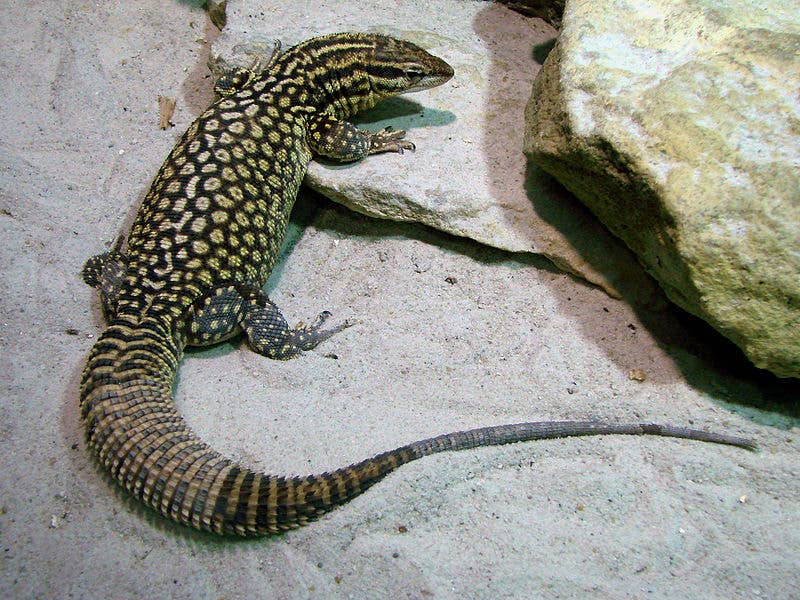
Russian Tortoise (Agrionemys horsfieldii)
Russian tortoises are terrestrial and low-maintenance, ranking well among the Top 10 reptile pets for beginners for outdoor or indoor keepers in temperate climates.
Quick facts
- Size: 6–10 inches
- Lifespan: 40+ years
- Diet: Herbivore (greens, weeds)
Care basics
- Enclosure: Secure outdoor pen or large indoor tortoise table
- Heat: Provide basking at 90°F with cooler zones
- Lighting: Strong UVB is essential for vitamin D and shell health
- Substrate: Soil-sand mix for digging
Pros
- Long-lived and rewarding to watch
- Low daily maintenance (feeding, spot cleaning)
- Great for outdoor setups in suitable climates
Cons
- Lifespan requires long-term commitment
- Sensitive to poor diets and lack of UVB
Personal note: Tortoises taught me the importance of long-term planning; they need steady care and proper diet to thrive.
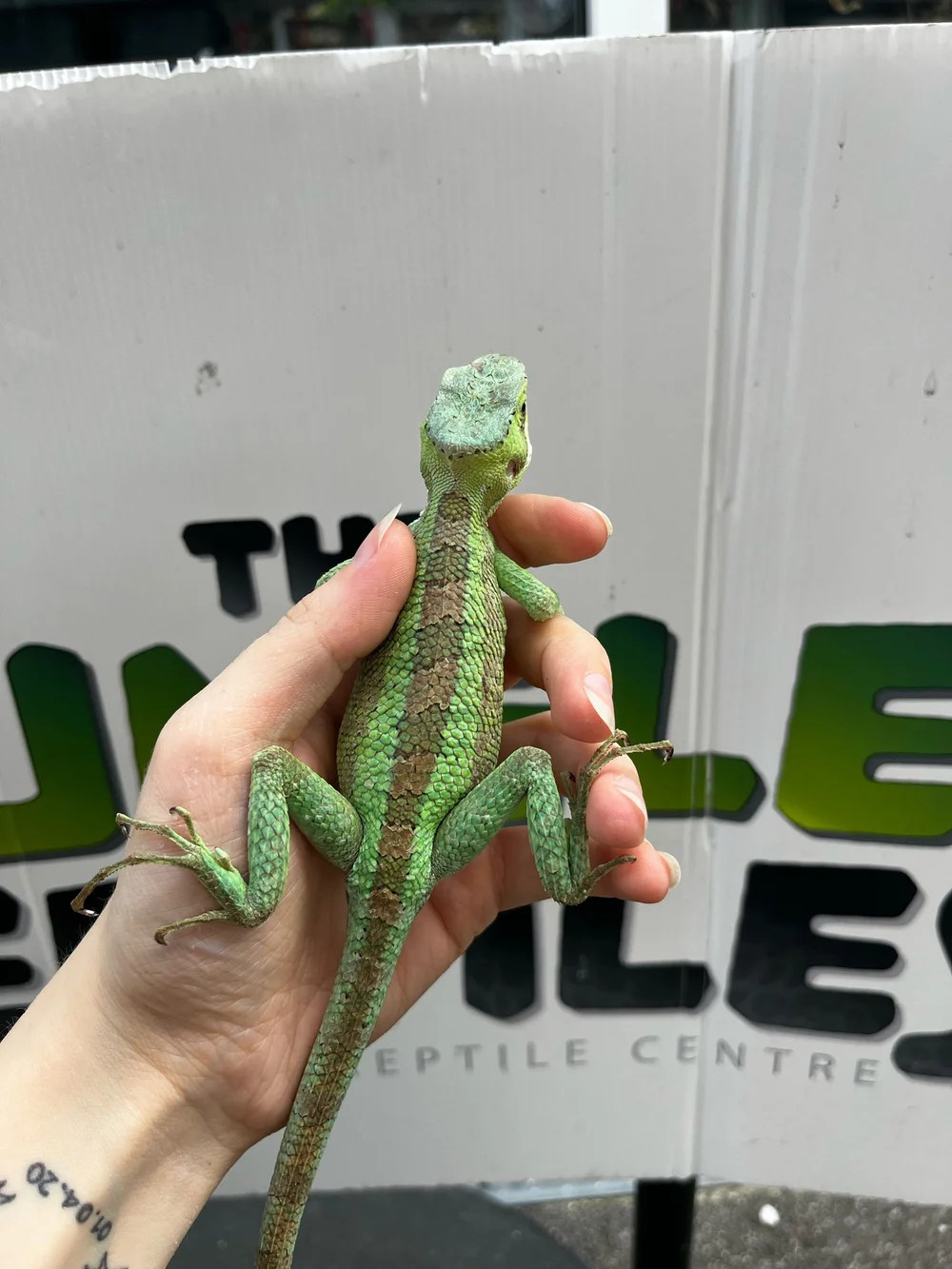
Kingsnake (Lampropeltis spp.)
Kingsnakes are hardy, active snakes that often appear on lists of Top 10 reptile pets for beginners due to their ease of care and varied color morphs.
Quick facts
- Size: 3–4 feet
- Lifespan: 10–20 years
- Diet: Rodent eater (frozen/thawed mice or rats)
Care basics
- Enclosure: 20–40 gallon for adults
- Heat: Warm side 85–90°F; cooler side 75°F
- Lighting: Low UVB needs; focus on secure enclosure
- Substrate: Aspen or paper towels
Pros
- Hardy and tolerant of range of conditions
- Generally accepts frozen/thawed prey
- Active and interesting to observe
Cons
- Can be escape-prone; secure lids required
- Handling tolerance varies by individual
Garter Snake (Thamnophis spp.)
Garter snakes are small, active, and easy to feed, which places them among the Top 10 reptile pets for beginners for owners seeking a smaller, lively snake.
Quick facts
- Size: 18–36 inches
- Lifespan: 6–12 years
- Diet: Varied—fish, earthworms, rodents depending on species
Care basics
- Enclosure: 20–30 gallon with secure top
- Heat: Warm side 80–88°F; cooler side 70–75°F
- Lighting: Low UVB; provide hiding spots
- Substrate: Aspen, paper towels, or soil mixes
Pros
- Small and active; easy to house
- Usually inexpensive to obtain
- Interesting behavior and feeding habits
Cons
- Some species prefer live prey
- Can be quick and nervous when handled
Red-Eared Slider (Trachemys scripta elegans)
Red-eared sliders are popular aquatic turtles included in many Top 10 reptile pets for beginners lists, but they require more space and water maintenance than many expect.
Quick facts
- Size: 6–12 inches
- Lifespan: 20–40 years
- Diet: Omnivore (pellets, vegetables, occasional protein)
Care basics
- Enclosure: Large aquatic tank or pond; filtration mandatory
- Heat: Basking area 85–95°F; water 75–80°F
- Lighting: Strong UVB and heat lamp for basking
- Substrate: Bare bottom or large river rocks; heavy filtration to keep water clean
Pros
- Active and engaging to watch
- Long-lived companion
Cons
- Large tanks and powerful filters required
- Can carry salmonella; strict hygiene needed
Personal cautions: Sliders are often bought as tiny turtles but outgrow small tanks quickly. I always advise new owners to plan for long-term housing and filtration costs.
PAA-style questions (common short answers)
How much will a beginner reptile cost to start?
Startup costs vary: expect $150–$500 for small species and $500+ for larger reptiles when including enclosure, heating, lighting, and hides.
How often do beginner reptiles need veterinary care?
Routine vet checks every 1–2 years are ideal; urgent care is needed for appetite loss, respiratory signs, or abnormal shedding.
Do beginner reptiles need UVB light?
Many species require UVB for calcium metabolism and bone health; check species-specific needs before purchase.
Frequently Asked Questions of Top 10 reptile pets for beginners
What is the easiest reptile to care for?
Many hobbyists consider leopard geckos and crested geckos the easiest due to simple heating, small enclosures, and readily-available diets.
Can I keep a reptile in an apartment?
Yes. Many of the Top 10 reptile pets for beginners, like leopard geckos and crested geckos, suit apartment life when you provide proper heat and ventilation.
How long do beginner reptiles live?
Lifespans vary greatly: small geckos often live 10–20 years, some tortoises and snakes can live 20–40 years or more with proper care.
Are reptiles safe for children?
Reptiles can be safe for supervised children, but hygiene is essential; teach handwashing and avoid face contact to reduce infection risk.
What should I feed a new reptile?
Feed species-appropriate diets: insectivores need gut-loaded insects, carnivores need frozen/thawed prey, and herbivores need varied greens and calcium supplements.
Do reptiles require regular handling?
Handling needs vary. Bearded dragons and some snakes tolerate handling well, while crested geckos and many skinks prefer limited handling to reduce stress.
Conclusion
This guide covered the Top 10 reptile pets for beginners with practical care tips, pros and cons, and real-life insights to help you choose wisely. Start by matching your time, space, and budget to a species’ needs, and invest in quality lighting, heating, and a reptile-savvy vet. Take action: research the specific species you like, prepare the enclosure before purchase, and join a local herp community or forum to learn from experienced keepers. If you found this helpful, subscribe for more reptile care guides or leave a comment with the species you’re considering.