
Best room pets are betta fish, snails, isopods, geckos, and hamsters.
If you have a small space, you can still enjoy a calm, clean, and happy pet. In this guide, I draw on years of keeping animals in dorms, rentals, and home offices. I will help you decide what are good pets to keep in your room, set up a safe habitat, and avoid hidden pitfalls. You will get expert tips, real costs, and care routines that fit a busy life.

How to decide what are good pets to keep in your room
Choosing a room pet starts with your space and routine. Think about noise, smell, and sleep. Match the pet’s needs with your daily habits.
Use this short checklist before you buy:
- Legal and housing rules. Check local laws, lease terms, and campus policies.
- Allergies and health. Consider dander, asthma triggers, and salmonella risk from reptiles, as public health guidance warns.
- Time and handling. Some pets do fine with daily checks. Others need hands-on care.
- Habitat size and airflow. Measure the shelf or desk. Ensure safe cords and stable stands.
- Heat, light, and humidity. Reptiles need heat and UVB. Fish need filters and stable temps.
- Noise and odor. Hamsters run at night. Rodents can smell if you skip cleaning.
- Budget and vet access. Exotic vets can be rare. Plan for urgent care.
These points help you decide what are good pets to keep in your room without stress or regrets.

Best low-maintenance pets for a bedroom or dorm
If you ask what are good pets to keep in your room and want low work, start here. These options are quiet, small, and budget-friendly.
Betta fish in a 5–10 gallon tank
- Why they fit: Peaceful, colorful, and calm. A single betta suits a compact space.
- Setup: 5+ gallons, filter with gentle flow, heater at 78–80°F, live or silk plants.
- Care: Partial water change weekly. Feed pellets in tiny amounts once or twice daily.
- Personal tip: My desk betta did best with a sponge filter and a timer for the light.
Freshwater snails and shrimp
- Why they fit: Very low mess and fun to watch. Nerite snails do not breed in freshwater.
- Setup: 5+ gallons with a seasoned filter and plants. Stable temps.
- Care: Algae wafers and blanched veggies. Weekly water checks.
- Note: Avoid copper in water; it harms inverts.
Isopod and springtail micro-terrariums
- Why they fit: Zero noise and tiny footprint. Great for nature lovers.
- Setup: Ventilated container with coco fiber, leaf litter, cork bark, and moist zones.
- Care: Mist lightly. Add leaf litter and fish food as needed.
- Personal lesson: Over-misting caused mold for me. Ventilation fixed it fast.
Brine shrimp kits or small bio-orbs
- Why they fit: Simple and educational. Good for kids or first-timers.
- Care: Follow the included schedule for feeding and light.
These options cover what are good pets to keep in your room when you want ease, low odor, and small setups.
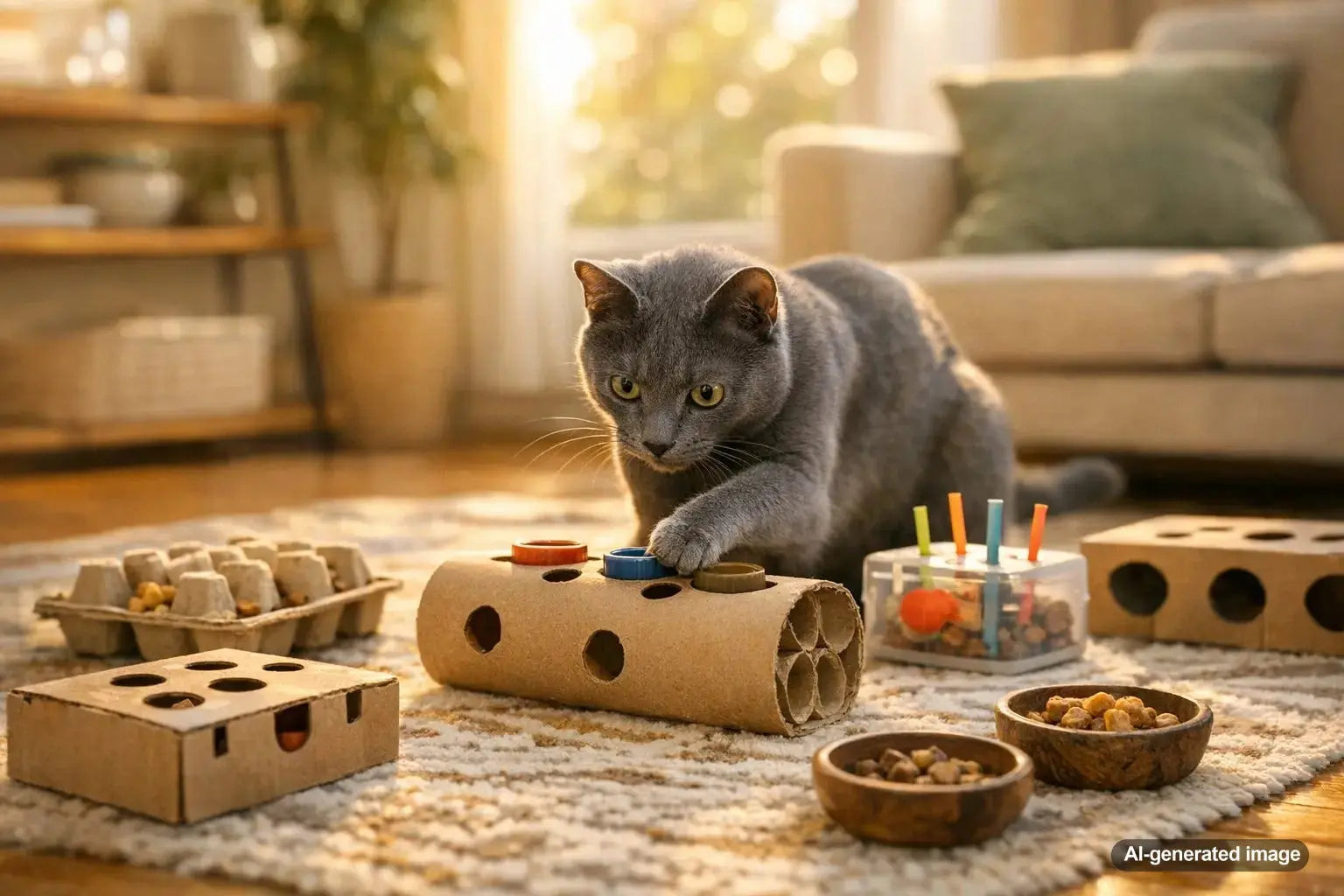
Quiet small mammals that can thrive in a room
Small mammals can be sweet and social, but plan for bedding depth, enrichment, and smell control. This section shows what are good pets to keep in your room if you enjoy interaction.
Hamsters
- Pros: Solo housing, cute routines, easy to tame.
- Cons: Nocturnal and can be noisy. Need a big cage and a large, silent wheel.
- Setup tip: Deep bedding for burrows reduces stress and sound.
Gerbils
- Pros: Social pairs, active diggers, fun to watch.
- Cons: Chewers that need safe enrichment. Deep tanks are best.
- Health note: Provide dust-free bedding to protect breathing.
Fancy mice
- Pros: Small, curious, and lively colonies.
- Cons: Males smell stronger. Use good ventilation and frequent spot cleaning.
Rats
- Pros: Very smart and bond closely. They can learn tricks.
- Cons: Need a larger cage and daily time. Not ideal in very tight spaces.
- Personal insight: My pair thrived with 30 minutes of evening play and a HEPA filter nearby.
These choices are what are good pets to keep in your room if you want personality and play, yet can manage cleaning and noise.
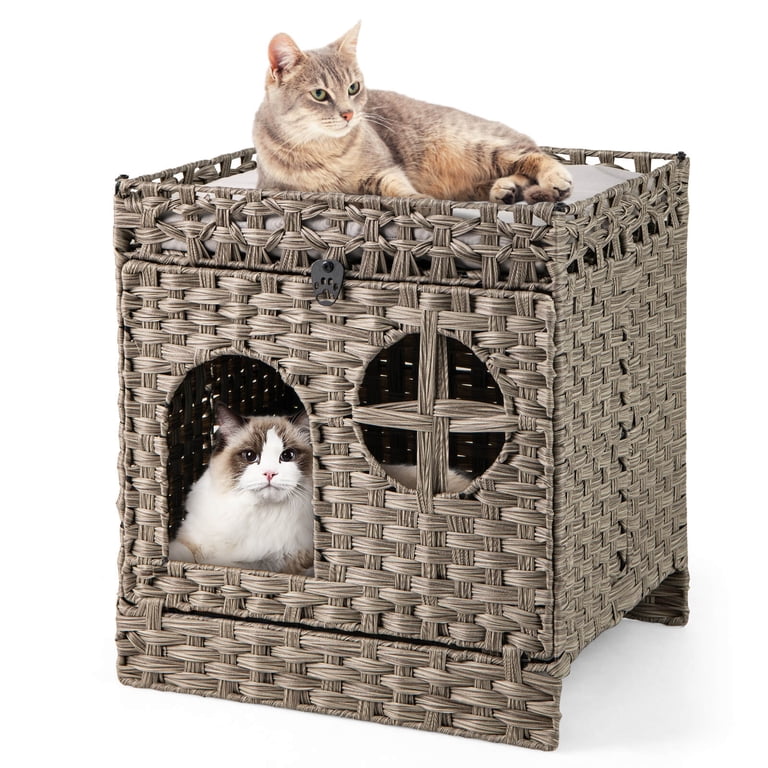
Reptiles and amphibians for small spaces
If you love calm pets you can watch, reptiles and amphibians can fit well. Be strict with heat, light, and hygiene, as experts advise.
Leopard geckos
- Pros: Quiet, hardy, and handle short interactions well.
- Setup: 20-gallon long tank, heat mat with thermostat, hides, and calcium.
- Care: Feed insects 3–4 times a week. No loose sand for young geckos.
Crested geckos
- Pros: No heat mat in many homes; room temp often works. No need for live insects daily.
- Setup: Vertical enclosure with plants and ledges. Offer commercial gecko diet.
- Personal tip: A dim, warm corner kept mine stable and stress-free.
African dwarf frogs
- Pros: Peaceful aquatic frogs that fit small tanks.
- Setup: 5+ gallons, gentle filter, secure lid.
- Care: Feed frozen foods and pellets. Keep water warm and clean.
Avoid turtles in small rooms. They need larger tanks, strong filters, and are higher risk for salmonella. These options reflect what are good pets to keep in your room if you can meet simple but strict habitat needs.

What to avoid in a bedroom setting
Some animals struggle in tight spaces or can disturb sleep.
- Large parrots or cockatiels. Loud, dusty, and need long out-of-cage time.
- Sugar gliders and hedgehogs. Nocturnal noise, special diets, and tricky vet care; some areas restrict them.
- High-energy dogs or active cats. Space, hair, and landlord rules can clash with small rooms.
- Tarantulas and scorpions. They can fit, but not ideal for shared housing or if escapes are a concern.
- Big fish tanks. More than 20 gallons may hum and heat a small room.
When you ask what are good pets to keep in your room, remember that quieter, smaller, low-odor species fit better and keep neighbors happy.

Care tips to keep pets healthy and your room fresh
Good care turns a tiny space into a safe haven. Here is what worked for me and aligns with vet and public health advice.
- Ventilation first. Crack a window daily or run a fan away from cages.
- Use a HEPA air purifier for dander and dust.
- Spot clean daily; deep clean weekly. Replace bedding before odor starts.
- Choose the right substrate. Paper-based bedding for rodents; avoid cedar.
- Keep a quiet hour plan. Place cages away from your bed and from direct speakers.
- Use timers for lights and heaters to keep stable cycles.
- Enrichment beats boredom. Wheels, chews, hides, and safe plants.
- Wash hands before and after handling. Reptiles need extra care due to salmonella.
- Make an emergency kit. Backup heat pad, dechlorinator, food, and a travel carrier.
Follow these habits and you will know what are good pets to keep in your room will also stay clean and calm.
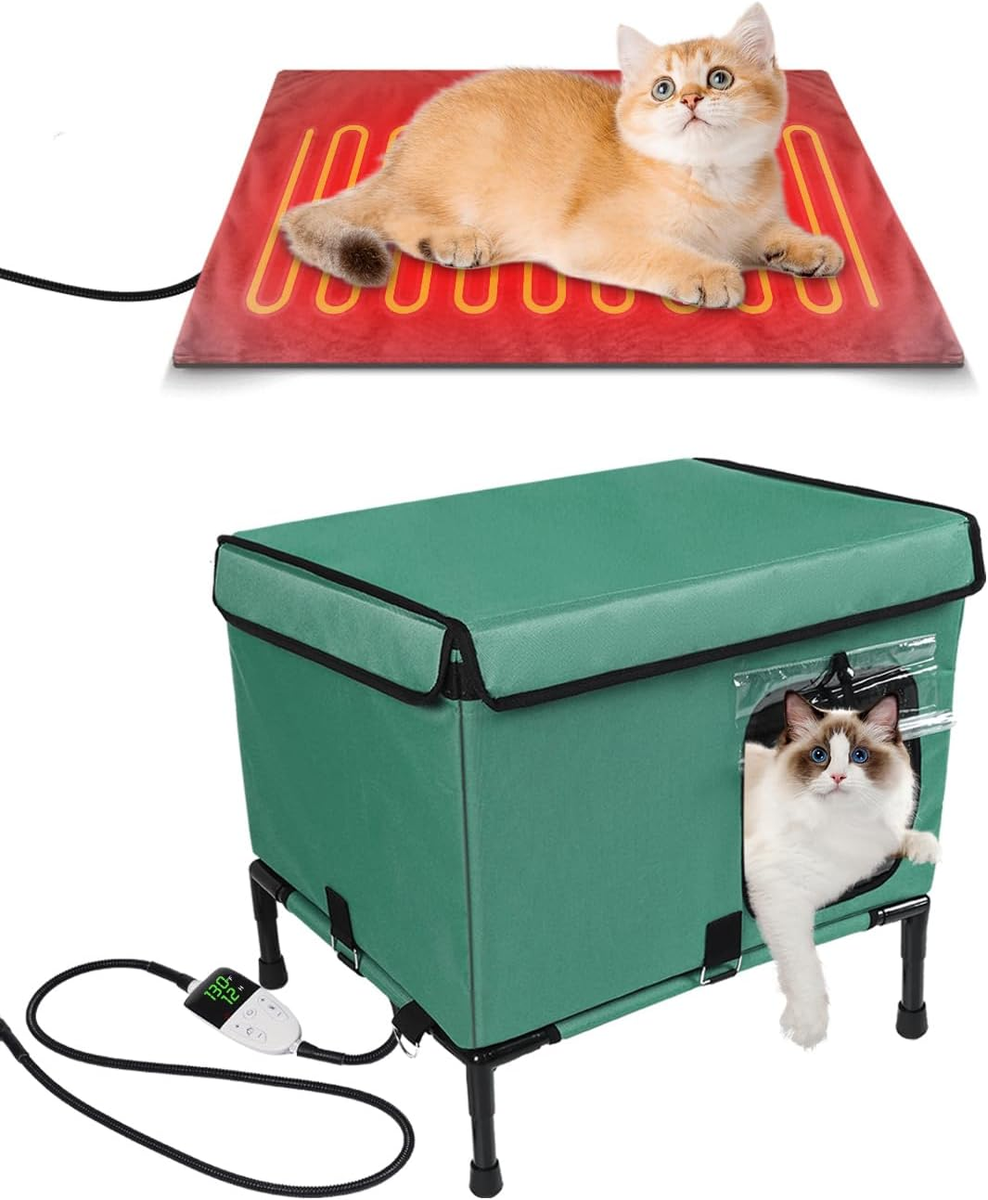
Sample weekly care schedule for busy students or renters
A simple routine prevents stress and cuts smell. Adjust times to your class or work hours.
- Monday: Spot clean, water change for fish, mist terrariums.
- Tuesday: Enrichment swap for rodents, check filters and heaters.
- Wednesday: Health check, nail trim if needed, wipe glass.
- Thursday: Deep clean one habitat zone; rotate tasks weekly.
- Friday: Restock food, test water for ammonia and pH.
- Saturday: Cage refresh, bedding top-up, wash accessories.
- Sunday: Weigh small mammals, review budget, and plan the week.
This plan supports what are good pets to keep in your room while keeping your space neat and quiet.

Buying guide and starter costs
Start right with a proper setup. The habitat matters more than the animal’s price.
- Betta fish setup: Tank, heater, filter, light, test kit, and plants. Expect $100–$180 total.
- Shrimp/snails nano tank: Filter, heater (as needed), plants, mineral supplements. $120–$200.
- Isopod terrarium: Bin or nano tank, coco fiber, cork, leaf litter, vents. $40–$80.
- Hamster or mouse cage: Large bin or bar cage, wheel, hides, bedding, toys. $120–$220.
- Leopard or crested gecko: Enclosure, thermostat, heat/UVB if needed, diet, calcium. $200–$400.
Plan for monthly costs:
- Food and bedding: $10–$40 depending on species.
- Electricity for heat and filters: Usually low.
- Vet fund: Save a small amount each month for peace of mind.
A clear budget helps you narrow what are good pets to keep in your room without surprise bills.
Frequently Asked Questions of what are good pets to keep in your room
Are betta fish good for small rooms?
Yes. A 5–10 gallon tank with gentle filtration and a heater works well. Keep the light on a timer to stabilize their day–night rhythm.
Do hamsters smell in a bedroom?
Not if you spot clean daily and deep clean weekly. Use paper-based bedding and a large, well-ventilated cage.
Are reptiles safe to keep in a bedroom?
Yes, with proper hygiene and temperature control. Wash hands after handling and use a thermostat on heat sources.
What are good pets to keep in your room if you have allergies?
Consider fish, isopods, shrimp, or geckos. Avoid furry pets if you react to dander and bedding dust.
Can I keep pets in a dorm?
Often yes, but rules vary. Many dorms allow fish and invertebrates, while mammals and reptiles may be restricted.
What are good pets to keep in your room if you are very busy?
Isopods, shrimp, and snails need little daily care. A betta or crested gecko also fits a tight schedule with weekly routines.
Do small pets get lonely in a room?
Some do. Gerbils and rats thrive in pairs, while hamsters are better solo; research each species’ social needs.
Conclusion
A great room pet is quiet, clean, and easy to house well. Match the animal’s needs to your space, budget, and time, and use steady routines to keep stress low. When you know what are good pets to keep in your room, you can enjoy calm company without mess or noise.
Pick one starter option from this list, set up the habitat first, and track care with a simple weekly plan. Ready to begin? Subscribe for more setups, or leave a comment with your room size and I will suggest a tailored shortlist.